
Dry Needling With Cupping
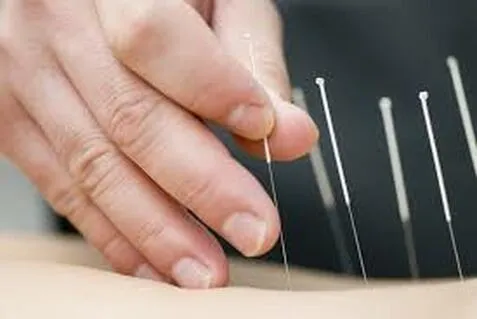
Dry needling is a technique physical therapists use (where allowed by state law) for the treatment of pain and movement impairments. The technique uses a "dry"needle, one without medication or injection, inserted through the skin into areas of the muscle.
Other terms commonly used to describe dry needling, include trigger point dry needling, and intramuscular manual therapy.
Dry needling is not acupuncture, a practice based on traditional Chinese medicine and performed by acupuncturists. Dry needling is a part of modern Western medicine principles, and supported by research.
What is a Trigger Point?
A trigger point is a taut band of skeletal muscle located within a larger muscle group. Trigger points can be tender to the touch, and touching a trigger point may cause pain to other parts of the body.
What Kind of Needles Are Used?
Dry needling involves a thin filiform needle that penetrates the skin and stimulates underlying myofascial trigger points and muscular and connective tissues. The needle allows a physical therapist to target tissues that are not manually palpable.
Physical therapists wear gloves and appropriate personal protective equipment (PPE) when dry needling, consistent with Standard Precautions, Guide to Infection Prevention for Outpatient Settings, and OSHA standards. The sterile needles are disposed of in a medical sharps collector.
Why Dry Needling?
In cases when dry needling is used by physical therapists, it is typically 1 technique that's part of a larger treatment plan.
Physical therapists use dry needling with the goal of releasing or inactivating trigger points to relieve pain or improve range of motion. Preliminary research 2 supports that dry needling improves pain control, reduces muscle tension, and normalizes dysfunctions of the motor end plates, the sites at which nerve impulses are transmitted to muscles. This can help speed up the patient's return to active rehabilitation.
As part of their entry level education, physical therapists are well educated in anatomy and therapeutic treatment of the body. Physical therapists who perform dry needling supplement that knowledge by obtaining specific postgraduate education and training. When contacting a physical therapist for dry needling treatment, be sure to ask about their specific experience and education.
How Does Cupping Complement Dry Needling?
Cupping therapy involves placing specialized cups on the skin to create a gentle suction. While dry needling penetrates the skin to target deep muscular trigger points and relieve internal tension, cupping works in the opposite direction by decompressing superficial tissue layers. This suction effect lifts the fascia, increases localized blood flow, and helps flush out cellular waste from restricted areas.
When physical therapists utilize cupping alongside dry needling, it creates a comprehensive, multi-layered treatment for pain and movement impairments. The thin filiform needle releases the underlying taut band of skeletal muscle, while the cupping therapy addresses the surrounding connective tissue on the surface. Together, this dual approach further normalizes dysfunctions of the motor end plates, speeds up the reduction of muscle tension, and accelerates the patient's return to active rehabilitation.
Benefits of the Combined Approach:
Complete Tissue Treatment: Simultaneously addresses deep trigger points and superficial fascial restrictions.
Improved Circulation: The suction draws oxygen-rich blood to the area, supplementing the pain control and muscle release initiated by the needles.
Enhanced Mobility: Lifting the tissue helps further improve range of motion beyond what a single technique might achieve.



© Copyright 2022. Company Name. All rights reserved.