
Welcome to Huntington Physical Therapy's Pelvic Health Services
At Huntington Physical Therapy, we understand that pelvic health is a crucial aspect of overall well-being, impacting many aspects of daily life. Our dedicated team of expert therapists is committed to providing comprehensive care to help you achieve optimal pelvic health.
Our Services
We offer a range of specialized services designed to address various pelvic health concerns:
Pelvic Floor Therapy: Our therapists are skilled in pelvic floor rehabilitation, helping patients strengthen and relax these essential muscles. Whether you're experiencing discomfort, weakness, or dysfunction, we tailor our therapy sessions to meet your specific needs.
Prenatal and Postpartum Care: Pregnancy and childbirth bring significant changes to the body. Our prenatal and postpartum care services are designed to support women through these transitions, promoting a healthy and comfortable pregnancy while aiding in recovery post-delivery.
Pain Management: Chronic pelvic pain can be debilitating and affect your quality of life. Our pain management strategies are rooted in evidence-based practices that aim to relieve discomfort and improve functionality.
Conditions We Treat
Our team is experienced in treating a wide array of pelvic health conditions, including:
Urinary Incontinence: We provide effective solutions to help manage and reduce urinary incontinence, empowering patients to regain control and confidence.
Pelvic Pain: Pelvic pain can have various causes, and our therapists work diligently to pinpoint and treat the source, offering relief through specialized therapeutic techniques.
Prolapse: For those affected by pelvic organ prolapse, we offer supportive therapies aimed at alleviating symptoms and improving pelvic support.
Why Choose Us?
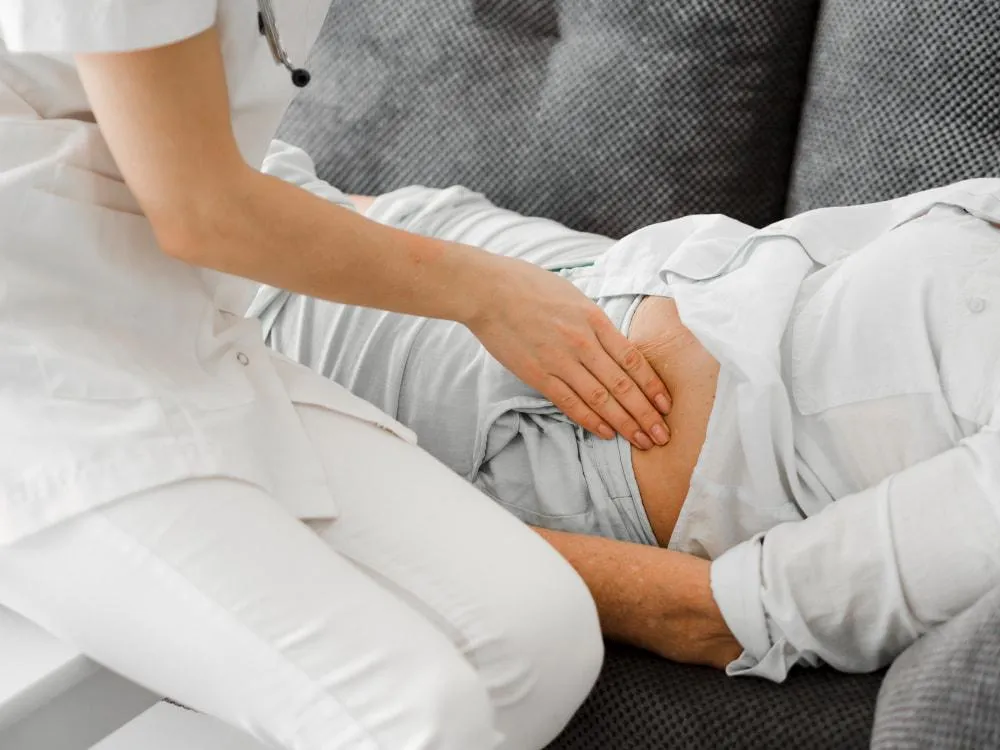
Expertise and Experience: Our therapists are highly trained in the latest pelvic health therapies and techniques. Their extensive experience ensures that you receive the highest quality care tailored to your individual needs.
Personalized Care Approach: We believe in personalized treatment plans. By understanding your unique situation and goals, we create a therapy program specifically for you, ensuring the best possible outcomes.
Benefits of Treatment: Seeking treatment for pelvic health issues can lead to improved quality of life, greater comfort, and enhanced physical function. Our goal is to help you achieve these benefits through compassionate and effective care.
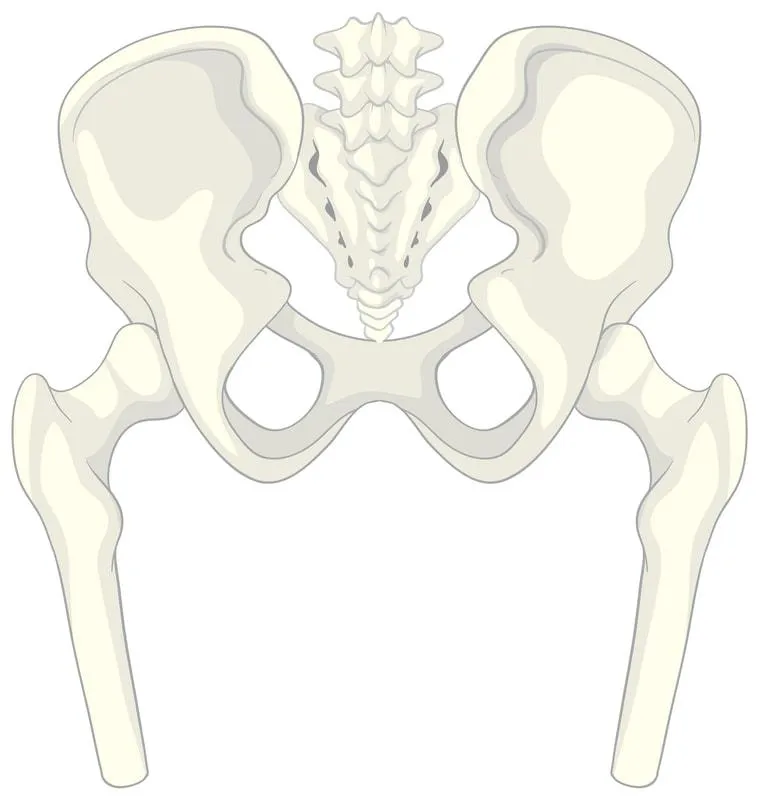
The pelvic floor is a network of muscles located in the pelvis that have important roles in our daily lives. Bowel/bladder control, sexual function, support for pelvic organs, and management of abdominal pressure during daily activities are all jobs of the pelvic floor.
Pelvic health physical therapy is a special area of PT practice that focuses on treatment of these muscles and other closely-related areas of the body such as the pelvis, hips, and low back. Many different events or conditions can involve pelvic health and function. Learn more about common pelvic health conditions and how physical therapy can help them below.
Bowel/bladder leakage
Bowel and bladder concerns are a major area of pelvic health. Urinary/fecal incontinence, frequent trips to the bathroom, and constipation are all common experiences that can benefit from pelvic health PT.
Urinary or fecal incontinence (leakage of urine or feces) can be due to muscle weakness, lack of muscle coordination, increased tension in the pelvic floor, environmental factors, increased urgency to go to the bathroom, behavioral factors, nutrition/fluid intake, and other reasons. Leaking can cause both negative physical and emotional consequences. Sometimes, frequent urination throughout the day can accompany urine leakage as well. Physical therapy for pelvic floor muscle training has been shown to reduce leakage episodes, decrease quantity of leakage, and improve quality of life.
Constipation can also impact the pelvic floor. In addition to contributors such as nutrition and fluids, other factors like posture while sitting on the toilet and control of pelvic floor and abominal muscles can make a difference in ease of bowel movements. People of many ages (children through older adults) can benefit from pelvic health PT to address constipation.
Your pelvic health physical therapist can work with you to identify contributors to your bowel/bladder concerns, optimize function of pelvic floor muscles, and learn strategies to implement in your daily routine to support bowel and bladder health.
Pregnancy/Post-partum
Pregnancy and the postpartum period are times of major change. Your body adapts to these changes over the span of your pregnancy and after delivery, too. Pregnancy and vaginal delivery or cesarean section (C-section) all have implications for pelvic floor muscles.
During pregnancy, the pelvic floor undergoes increased pressure as it works harder to support your growing baby. Sometimes, those who are pregnant may experience hip or low back pain that can be addressed with physical therapy interventions like stretching, strengthening, and practicing strategies for improved positioning or lifting techniques in daily activites to reduce pain as your body undergoes these changes.
During vaginal delivery, pelvic floor muscles undergo a stretching process to allow the baby to exit through the vaginal canal. The pelvic floor can also undergo trauma during delivery due to episiotomy, forceps/vaccum assistance, or tearing. C-sections are major abdominal surgeries that can sometimes impact bowel and bladder function after recovery due to the close relationship between the abdominals and the pelvic floor. Changes to pelvic floor function after these events can sometimes lead to pain, difficulty controlling urine leakage, or other issues that can impact daily life.
While many aches and pains resolve on their own as the body recovers following delivery, some symptoms may persist for months or years and can be addressed with pelvic health physical therapy:
1. Pain in back, hips, legs, or other areas of the body
2. Pelvic pressure, pain, or feeling of “falling out”
3. C-section soreness that does not resolve after recovery
4. Pain with intercourse
5. Pelvic pain
6. Pubic symphysis pain
7. Coccyx (tailbone) pain
8. Frequency, urgency, or leakage of urine or feces (including leakage during coughing, sneezing, laughing, or exercise)
9. Constipation
Your pelvic health physical therapist can perform a personalized evaluation and work with you and your physician to address these symptoms to meet your personal postpartum goals.
Male Concerns
Male pelvic floors can benefit from physical therapy, too. Consider seeing a pelvic health PT if you have any of the following conditions:
1. Sexual dysfunction (e.g. erectile dysfunction, pain with ejaculation, premature ejaculation)
2. Penile/testicular pain
3. Urine leakage
4. Benign prostatic hyperplasia (BPH)
5. Prostatectomy (prostate removal)
Physical therapy interventions such as exercise, pelvic floor strengthening, education, and others can help manage your symptoms and will be tailored to your individual needs so that you can get back to the activities you enjoy."
Pelvic Pain
Pain in the region of the pelvis (below the umbilicus) can affect people with male or female anatomy. Pain may or may not be present with activities such as prolonged sitting, sexual activity, urination/bowel movements, or others. Chronic pain, or pain lasting longer than 6 months, is not just a result of an injury to a body part, but is a complex body process that can be influenced by many factors. Stress, sleep disturbances, anxiety/depression, previous failed treatments, and other personal factors make your pain experience unique to you. Often, pelvic pain may persist even if other tests for the pelvic region such as advanced imaging come back “normal.”
Treatment of pelvic pain in physical therapy uses a personal approach with consideration to your experiences and needs. Your physical therapist can evaluate the musculoskeletal system to identify pelvic floor areas that should be addressed – for example, learning to lengthen pelvic floor muscles that are overactive or “too tight.” Restoration of painful body movements, strengthening, increasing flexibility, muscle control, and relaxation strategies incorporating mindfulness can all be helpful components of treatment for pelvic pain. Additionally, physical therapy interventions can support care from other healthcare providers (such as your physician or a mental health provider) as needed.
Sexual Concerns
Sexuality is an important part of quality of life. Pain with sex can occur during intimacy, immediately after, or even for hours or longer afterwards. There are both physical and lifestyle factors that can contribute to painful sex. Physical therapy interventions can explore changes to positioning, address related muscle spasm or pain, and incorporate other lifestyle strategies to reduce pain.
Pelvic Organ Prolapse
Sexuality is an important part of quality of life. Pain with sex can occur during intimacy, immediately after, or even for hours or longer afterwards. There are both physical and lifestyle factors that can contribute to painful sex. Physical therapy interventions can explore changes to positioning, address related muscle spasm or pain, and incorporate other lifestyle strategies to reduce pain.
Get Started Today
Pelvic health issues should not be faced alone. At Huntington Physical Therapy, we're here to support your journey to better health and well-being. Our welcoming and knowledgeable team is ready to guide you every step of the way. Contact us today to schedule a consultation and begin your path to recovery and empowerment.
Meet Your Therapists
Want to know more about who you'll be working with? Check out our team below!

John Oxley
PT, DPT, OCS, CSCS, Cert. MDT
John has been practicing outpatient physical therapy since 2006. He has treated a wide variety of musculoskeletal conditions. He has identified male pelvic floor issues including sexual dysfunction, urine leakage, and pelvic pain to be an area of interest. Over the years, he has seen patients for many different diagnoses and it became evident that there is a need for male pelvic health specialists. Many male patients are not comfortable discussing some of the more sensitive issues around sexual health and bowel/bladder function, so John seeks to supply a safe and supportive atmosphere to address these issues. Areas of special interest are patients that have had prostate surgery for cancer or BPH and returning them to a normal lifestyle. Feel free to call or message today with questions or concerns.

Taylor Scott
PT, DPT
Taylor is a native of Huntington, WV. In 2020, she obtained her B.S. in Exercise Science from Carson-Newman University in Jefferson City, TN. During her time at CNU, Taylor was the starting first baseman for the softball team all 4 years of her career and helped her team to win 2 Conference Championships. She returned to Huntington to obtain her Doctorate in Physical Therapy from Marshall University and graduated from the program in 2023. Shortly after graduation, Taylor joined the HPT staff.
Taylor enjoys working with people of all ages and demographics, and takes pride in helping people achieve fitness goals, regain or maintain their independence, and lead active lives. She plans to specialize in Pelvic Health PT which is a branch of physical therapy that treats dysfunction in the pelvic floor muscles. She will be treating conditions such as bowel and bladder incontinence, constipation, and pelvic pain.
In her free time, Taylor enjoys spending time with her family and friends, playing with her dog Wrigley, exercising, traveling, and attending sporting events.



© Copyright 2022. Company Name. All rights reserved.